Wisdom Teeth Removal in Panama
Specialized Evaluation and Treatment of Third Molars
If you are looking for specialized wisdom teeth removal in Panama, contact Clínica Dental Champsaur.
With over 50 years of experience in dental care, our clinic has a team of dental professionals experienced in oral surgery who can evaluate and treat a wide range of third molar cases, including impacted or unerupted wisdom teeth.
Each procedure is carefully planned according to the position of the tooth, the condition of the surrounding tissues, and the patient’s individual needs.
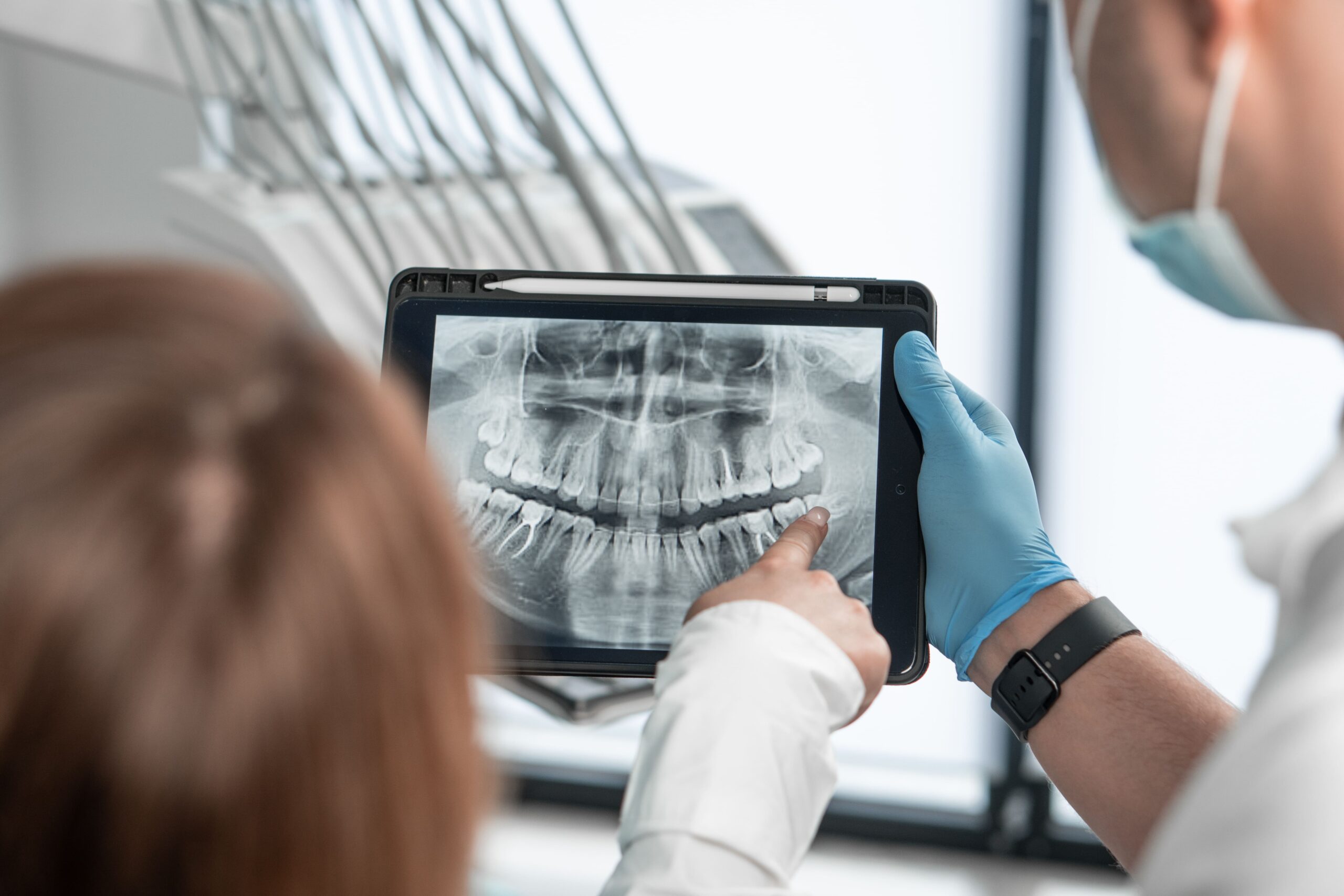
Diagnosis tailored to each case.
Extraction of retained or impacted teeth.
Options tailored to your needs.
Care for a better recovery.
What Are Wisdom Teeth, and Why Might They Need to Be Removed?
Wisdom teeth, also known as third molars, develop at the back of the mouth and typically emerge during the late teenage years or early adulthood.
Because they develop later than other teeth, wisdom teeth sometimes attempt to erupt when the remaining teeth are already in position. As a result, they may grow at an unfavorable angle, remain partially covered by gum tissue, or fail to erupt completely.
When a wisdom tooth cannot emerge normally, it is referred to as an impacted or unerupted wisdom tooth.
In certain cases, surgical extraction may be necessary to prevent or treat complications.
However, not all wisdom teeth need to be removed. If they are healthy, properly positioned, and do not cause problems, your dentist may recommend keeping them under regular observation.
When Is Wisdom Tooth Extraction Necessary?
Wisdom tooth extraction may be recommended when a third molar causes pain, infection, tooth decay, or other problems affecting oral health.
Impacted or partially erupted wisdom teeth may encourage bacterial buildup and make it difficult to maintain proper oral hygiene in the affected area.
When extraction is clinically indicated but treatment is delayed, complications may include:
Tooth decay: Affecting the wisdom tooth or an adjacent tooth.
Gum inflammation and infection: Particularly around a partially erupted wisdom tooth.
Dental abscesses: Collections of pus associated with infection.
Facial cellulitis of dental origin: An infection that may spread to surrounding tissues.
Damage to the second molar: When the position of the wisdom tooth contributes to damage to the neighboring tooth.
Cysts associated with impacted teeth: In certain cases.
For this reason, we recommend a timely dental evaluation if you experience discomfort or suspect that a wisdom tooth is not erupting properly.
Symptoms That May Indicate Wisdom Tooth Problems
Symptoms that may warrant a dental examination include:
Pain at the back of the mouth.
Swelling around the jaw.
Inflamed or bleeding gums.
Persistent bad breath (halitosis).
Difficulty or discomfort when opening your mouth.
Jaw pain.
Pain that may radiate toward the ear or head.
An unpleasant taste associated with inflammation or infection.
Not all impacted wisdom teeth cause noticeable symptoms. In some cases, their position or an associated problem is discovered during a routine dental examination.
If you experience increasing swelling, fever, difficulty swallowing, or breathing problems, seek urgent medical attention.
Types of Wisdom Tooth Extraction
Not all wisdom tooth extractions require the same procedure. The technique depends on the tooth’s position, how much of it has erupted, and its relationship to nearby tissues and anatomical structures.
Simple Wisdom Tooth Extraction
A simple extraction is performed when the third molar has erupted and can be removed using conventional dental extraction techniques.
After examining the tooth, the dental professional uses appropriate instruments to remove it under local anesthesia.
Surgical Removal of Impacted Wisdom Teeth
When a wisdom tooth is partially covered by gum tissue, trapped within the jawbone, or positioned in a complex location, surgical extraction may be necessary.
Depending on the case, the procedure may involve surgically accessing the tooth, carefully removing a small amount of surrounding bone, or dividing the tooth into sections to facilitate removal.
At Clínica Dental Champsaur, our dental professionals have the resources to evaluate and manage impacted wisdom teeth, including cases that require surgical extraction. The complexity of each procedure is determined during the initial evaluation.
How Is Wisdom Teeth Removal Performed at Clínica Dental Champsaur?
Some dental clinics in Panama City refer patients who need complex extractions to specialized treatment facilities.
At Clínica Dental Champsaur, our oral surgery team has the resources to evaluate and treat a variety of cases, including certain surgical extractions of impacted wisdom teeth.
Every extraction is different and requires an individualized treatment plan.
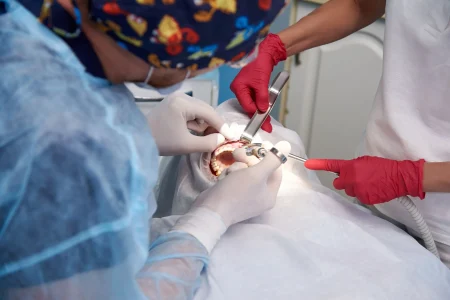
1. Initial Consultation and Diagnosis
During your first appointment, we review your symptoms, medical and dental history, and the condition of your teeth and gums.
The dental professional evaluates the position of the wisdom tooth and determines whether extraction is clinically indicated.
2. Diagnostic Imaging
Depending on your case, dental X-rays may be required to evaluate the roots, tooth position, and relationship to nearby anatomical structures.
For certain complex extractions, a three-dimensional dental scan (CBCT) may be recommended when additional information is needed for treatment planning.
Not every patient requires a CBCT scan.
3. Treatment Planning
After completing the evaluation, our dental team explains:
Whether extraction is necessary.
Which type of procedure is recommended.
Appropriate anesthesia options.
Potential risks and complications.
Preoperative and postoperative instructions.
Recommended follow-up care.
4. Anesthesia and Tooth Removal
Wisdom tooth extraction procedures can be performed under local anesthesia.
For certain patients or procedures, sedation may be considered to help promote relaxation, provided it is clinically appropriate and the necessary requirements are met.
Simple and surgical extractions involve different techniques depending on the tooth’s position and the complexity of the case.
5. Postoperative Care and Follow-Up
After the procedure, our dental team provides instructions to support proper healing, protect the surgical site, and help you recognize possible signs of complications.
Schedule an Evaluation to Learn Which Procedure Is Right for You
What Type of Anesthesia Is Used for Wisdom Teeth Removal?
Local anesthesia is commonly used for wisdom tooth extraction. It numbs the area where the procedure will be performed.
During the extraction, you may feel pressure or movement, although the purpose of the anesthesia is to control pain during the procedure.
For patients with significant dental anxiety or when the characteristics of the procedure require it, the dental professional may evaluate additional anesthesia or sedation options.
The most appropriate approach depends on your medical history, the complexity of the extraction, and your clinical evaluation.
Recovery After Wisdom Teeth Removal
As with any surgical procedure, wisdom tooth extraction may cause temporary discomfort during recovery.
It is common to experience some pain, swelling, or jaw stiffness following the procedure. The severity and duration of these symptoms depend on the complexity of the extraction and the patient’s individual response.
Your dental professional may recommend appropriate medication to manage discomfort and explain when a follow-up appointment is necessary.
Care Instructions After Wisdom Tooth Extraction
To support healing, it is important to follow the instructions provided by your dental team.
General recommendations include:
Protect the blood clot: Avoid vigorous rinsing, repeated spitting, or touching the surgical area during the first 24 hours.
Eat soft foods: Particularly during the first few days following the procedure.
Avoid drinking through straws: Suction may interfere with the blood clot.
Do not smoke or use tobacco products: These can interfere with healing.
Maintain careful oral hygiene: Follow your dentist’s instructions to avoid irritating the surgical site.
Avoid strenuous physical activity initially: Follow the recommendations provided by your dental professional.
Take only recommended or prescribed medications: Follow the indicated dosages and schedules.
The blood clot that forms in the tooth socket after extraction plays an important role in healing and should be protected throughout the initial recovery period.
How Long Does Recovery Take?
Recovery depends on the type of extraction, the tooth’s position, and individual patient factors.
Discomfort and swelling are often most noticeable during the first few days and gradually improve. Many patients can resume light daily activities after several days, although the tissues continue to heal for a longer period.
Complex surgical extractions may require a longer recovery period than simple extractions.
Your dentist will explain which activities you may resume and when you should return for a follow-up appointment.
Risks and Possible Complications of Wisdom Tooth Extraction
As with any oral surgery, third molar extraction carries certain risks.
Possible complications include:
Postoperative pain and swelling.
Bleeding.
Infection.
Temporary jaw stiffness.
Dry socket (alveolar osteitis), which may develop when the protective blood clot is lost or disrupted.
Temporary or, less commonly, persistent changes in sensation affecting the lip, chin, or tongue.
Complications involving nearby anatomical structures.
The likelihood of these complications varies according to the tooth’s position, the complexity of the procedure, and the patient’s individual health conditions.
During your consultation, the dental team will explain the relevant risks and appropriate follow-up measures.
If you experience pain that worsens after several days, fever, persistent bleeding, or increasing swelling, contact the clinic for guidance.
How Much Does Wisdom Teeth Removal Cost in Panama?
The cost of wisdom tooth extraction depends on several factors, including:
The number of wisdom teeth that need to be removed.
The position and degree of impaction of each tooth.
The complexity of the surgical procedure.
Required diagnostic imaging.
The type of anesthesia or sedation, when applicable.
The patient’s individual treatment needs.
Removing a fully erupted wisdom tooth is not the same as surgically extracting a third molar that remains embedded in the jawbone.
Not every patient needs to have all four wisdom teeth removed.
To learn more about the factors that influence treatment costs, read our article: How Much Does It Cost to Remove All Four Wisdom Teeth in Panama?
At Clínica Dental Champsaur, we can evaluate your case, explain the recommended procedure, and provide a treatment estimate based on your individual needs.
Why Choose Clínica Dental Champsaur for Wisdom Teeth Removal?
Over 50 Years of Dental Experience
Clínica Dental Champsaur has more than five decades of experience providing dental care to patients and families in Panama.
Specialized Oral Surgery Care
Our team can evaluate and manage various third molar conditions, including cases that require surgical procedures.
Individualized Evaluation and Treatment Planning
The decision to remove a wisdom tooth is based on each patient’s clinical needs, helping avoid unnecessary procedures.
Comprehensive Dental Care
Our multidisciplinary team includes professionals from different dental specialties who can coordinate care when additional oral health needs arise.
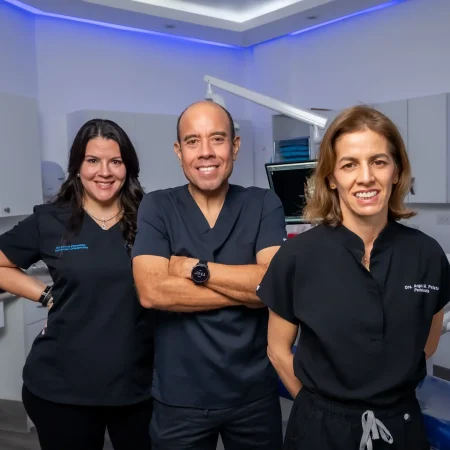

Schedule Your Wisdom Teeth Removal Consultation in Panama
Every wisdom tooth is different. An accurate diagnosis helps determine whether removal is necessary and which procedure is most appropriate.
At Clínica Dental Champsaur, we bring together over 50 years of dental experience and a team of professionals committed to providing personalized care before, during, and after treatment.
If you are experiencing pain, swelling, or concerns about your wisdom teeth, contact our team to schedule an evaluation.
Frequently Asked Questions About Wisdom Teeth Removal in Panama
Do all wisdom teeth need to be removed?
No. Healthy, properly positioned wisdom teeth that do not show signs of disease may be kept under regular dental observation. Extraction is recommended when there is a clinical indication.
What is the best age to have wisdom teeth removed?
There is no single ideal age for every patient. The need for extraction and the appropriate timing depend on the tooth’s position, root development, symptoms, and other clinical factors.
Does wisdom tooth removal hurt?
The procedure is generally performed under local anesthesia to control pain. Temporary discomfort and swelling may occur afterward and can be managed according to your dental professional’s instructions.
Can all four wisdom teeth be removed during one appointment?
In certain patients, multiple wisdom teeth can be removed during a single procedure. However, the decision depends on the complexity of each tooth, the patient’s overall health, and the dental professional’s clinical judgment.
How long does wisdom tooth surgery take?
The duration varies depending on the number of teeth being removed, their position, and the complexity of the procedure. Simple extractions generally require less time than surgical removal of fully impacted third molars.
What happens if I don't remove an impacted wisdom tooth?
Not all impacted wisdom teeth cause problems. Some can be monitored over time, while others may be associated with infections, cavities, damage to neighboring teeth, or other conditions requiring treatment. A dental evaluation helps determine your individual risk.
When can I return to my normal diet?
Soft foods are generally recommended during the first few days. Gradually returning to your regular diet depends on your recovery and the postoperative instructions provided by your dental team.
What is dry socket?
Dry socket, also called alveolar osteitis, is a complication that may develop when the protective blood clot in the extraction site is lost or disrupted. It can cause significant pain and requires professional dental evaluation.
When should I contact my dentist after wisdom tooth removal?
Contact your dental team if you experience pain that increases instead of improving, persistent bleeding, fever, increasing swelling, or other concerning symptoms. Seek emergency medical care if you have difficulty breathing or swallowing.
Where can I get wisdom teeth removed in Panama City?
Clínica Dental Champsaur provides dental evaluations and oral surgery care in Bethania, Panama City. Our team can assess your case and recommend the appropriate treatment.

